
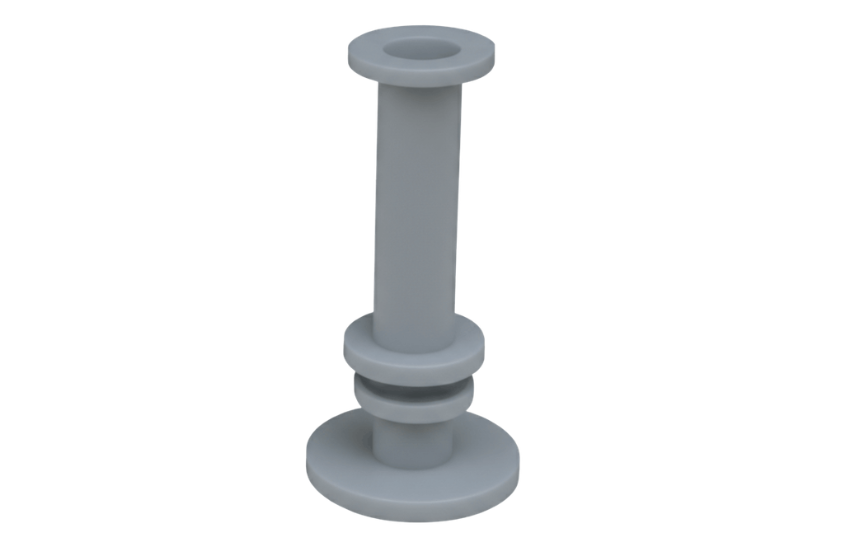
Filter Press Machine Nozzle
Filter Press Machine Nozzle
Industrial Filter Press Nozzles for Slurry and Filtration Applications :
Filter press machine nozzles are used to control the inlet and outlet flow of
slurry, filtrate, and wash liquids in filter press systems. These nozzles are
exposed to abrasive media, corrosive chemicals and repeated operating
cycles, making material selection critical for reliable performance.
Thermoplastic and composite filter press nozzles provide excellent
resistance to corrosion and wear, helping maintain consistent filtration
performance while reducing maintenance and replacement frequency.
Material Options & Operating Temperature Ranges :
Filter press machine nozzles are manufactured using materials selected based on slurry composition, chemical exposure, operating temperature, and mechanical stress.
-
PP (Polypropylene Copolymer) : Used for general filtration and slurry handling with mildly corrosive media. Suitable for ambient to moderate temperatures up to 80–90°C.
-
PPH (Polypropylene Homopolymer) : Offers higher rigidity and chemical resistance. Commonly used in filter press applications operating up to 90–100°C.
-
PVDF (Polyvinylidene Fluoride) : Preferred for highly corrosive chemicals and aggressive filtrates. Provides stable performance up to 120–150°C, depending on design.
-
HDPE (High-Density Polyethylene) : Used for abrasive slurry handling and moisture-rich applications. Suitable for ambient temperature operation up to 60–70°C.
-
PVC (Polyvinyl Chloride) : Applied in low-temperature filtration systems. Performs reliably up to 60°C.
-
FRP (Fiber Reinforced Plastic) : Provides additional structural strength and corrosion resistance. Suitable for ambient to moderate temperatures, depending on resin system.
-
PP–FRP Lined Construction : Combines polypropylene’s chemical resistance with FRP’s structural support. Used for medium-duty filter press nozzle applications.
-
HDPE–FRP Lined Construction : Offers abrasion resistance with added rigidity. Suitable for ambient temperature slurry handling.
-
MS–FRP Lined Construction : Used where higher mechanical strength is required. Mild steel provides rigidity, while FRP lining protects against corrosion in ambient service conditions.
What Makes Our Filter Press Machine Nozzles Different :
| Features | Our Advantage | |
|---|---|---|
| Material Construction : | Fabricated from corrosion-resistant thermoplastic and composite materials. | |
| Flow Control Efficiency : | Designed for consistent flow control and sealing. | |
| Internal Surface Finish : | Smooth internal passages to reduce clogging and wear. | |
| Filtration Cycle Durability : | Suitable for repeated filtration cycles. | |
| Custom Configuration Compatibility : | Custom designs based on filter press configuration. | |
Key Advantages :
-
Excellent resistance to chemical corrosion and abrasion.
-
Long service life under continuous operation.
-
Reduced leakage and maintenance.
-
Lightweight and easy to handle.
-
Compatible with a wide range of filter press systems.
Applications & Industries :
-
Chemical Processing Plants : Slurry filtration and solid-liquid separation.
-
Pharmaceutical & Specialty Chemicals : Process filtration systems.
-
Water & Wastewater Treatment : Sludge dewatering.
-
Mining & Mineral Processing : Abrasive slurry filtration.
-
Industrial Manufacturing : Filter press operations.

Filter Press Machine Nozzle
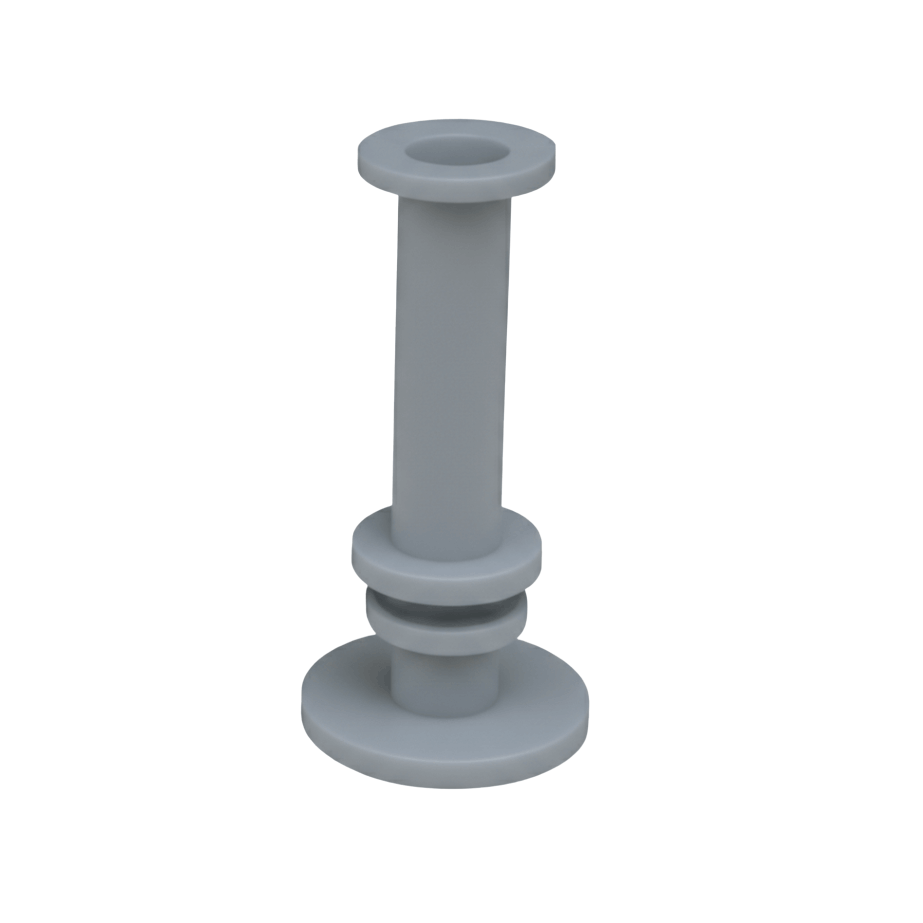
CPVC Filter Press Machine Nozzel
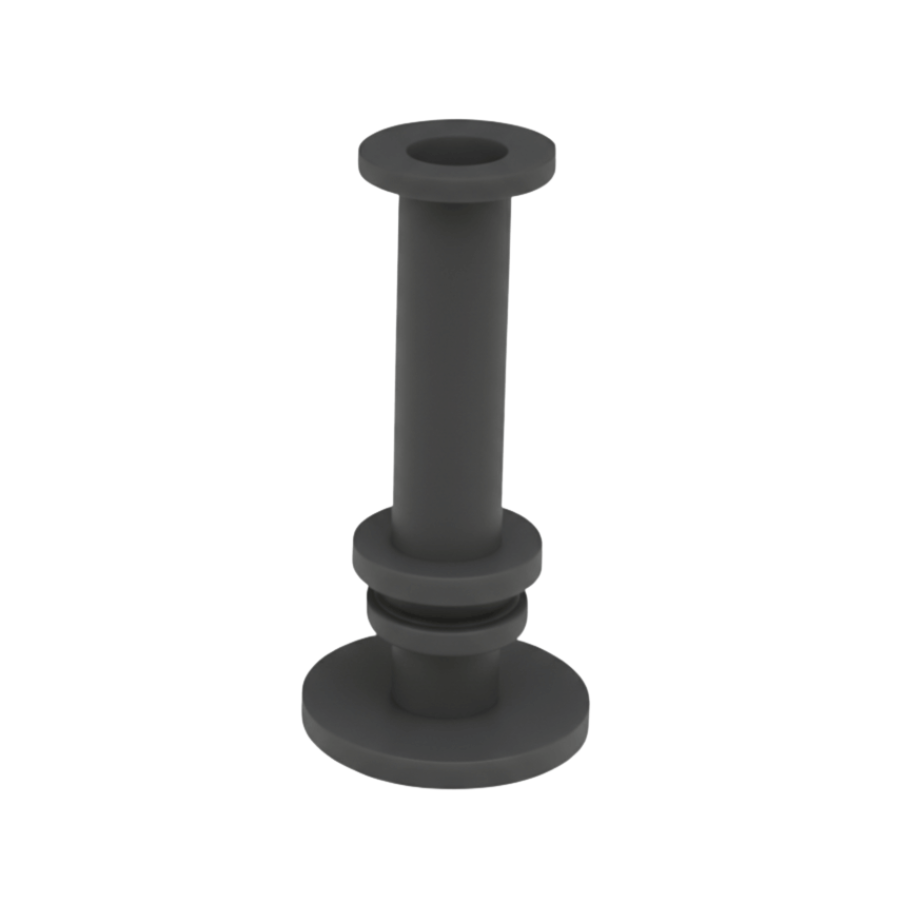
PVC Filter Press Machine Nozzel
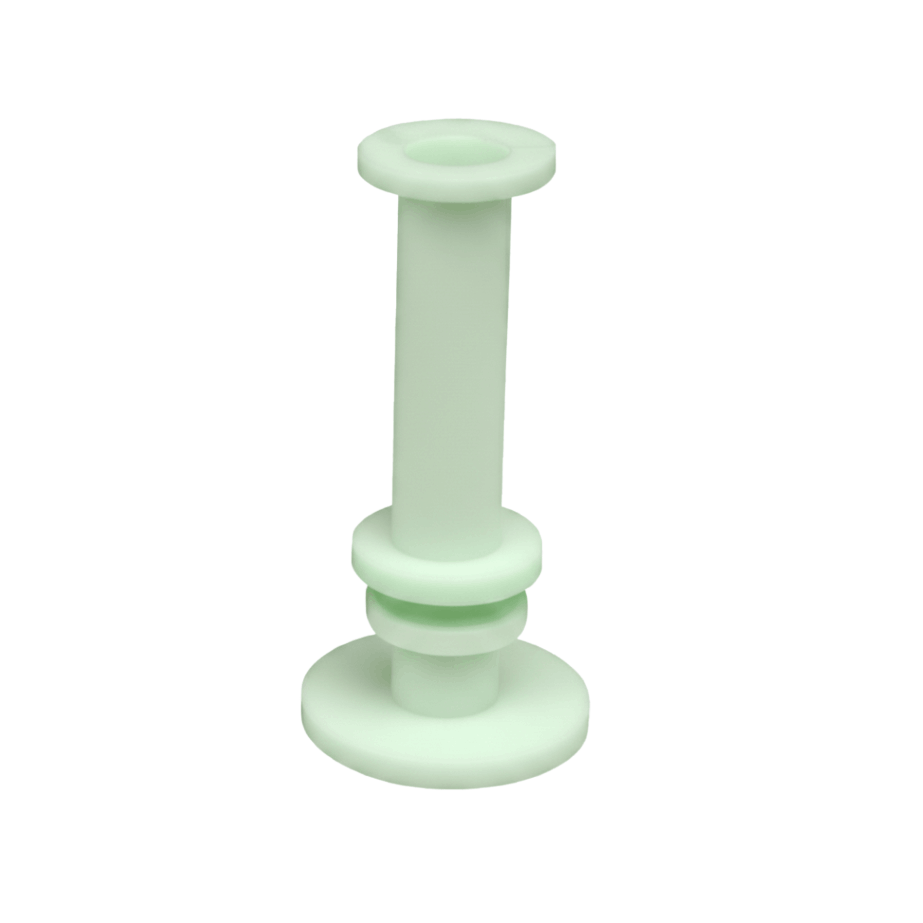
FRP Filter Press Machine Nozzel
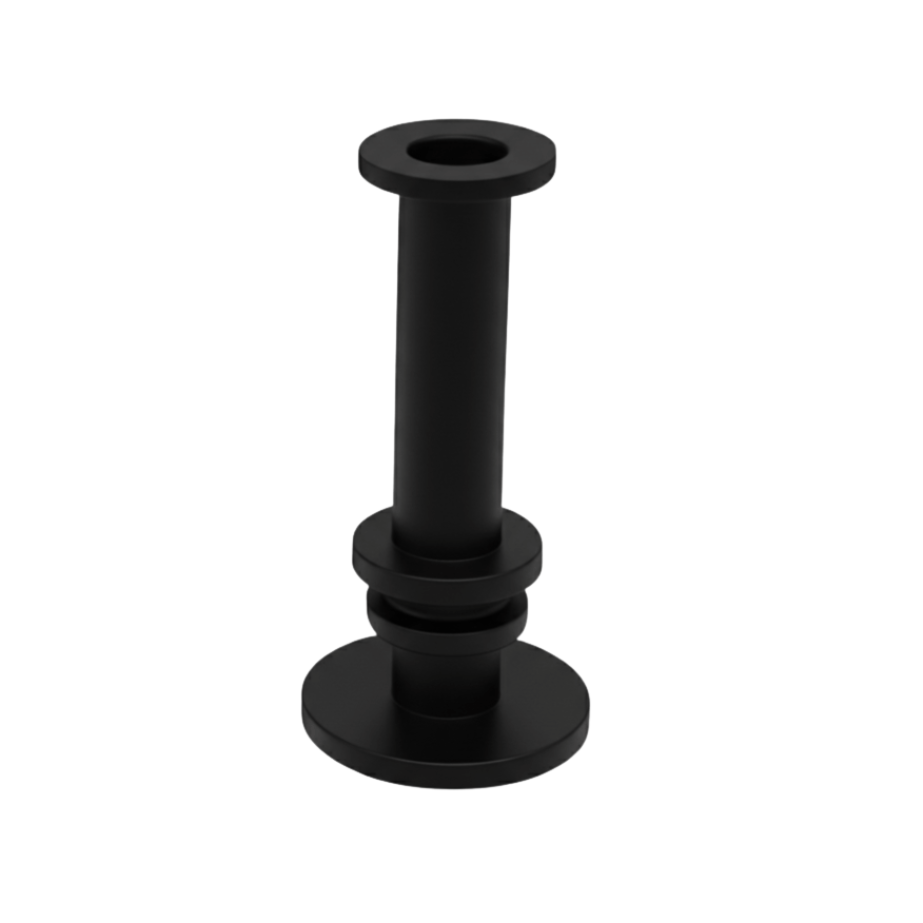
HDPE Filter Press Machine Nozzel
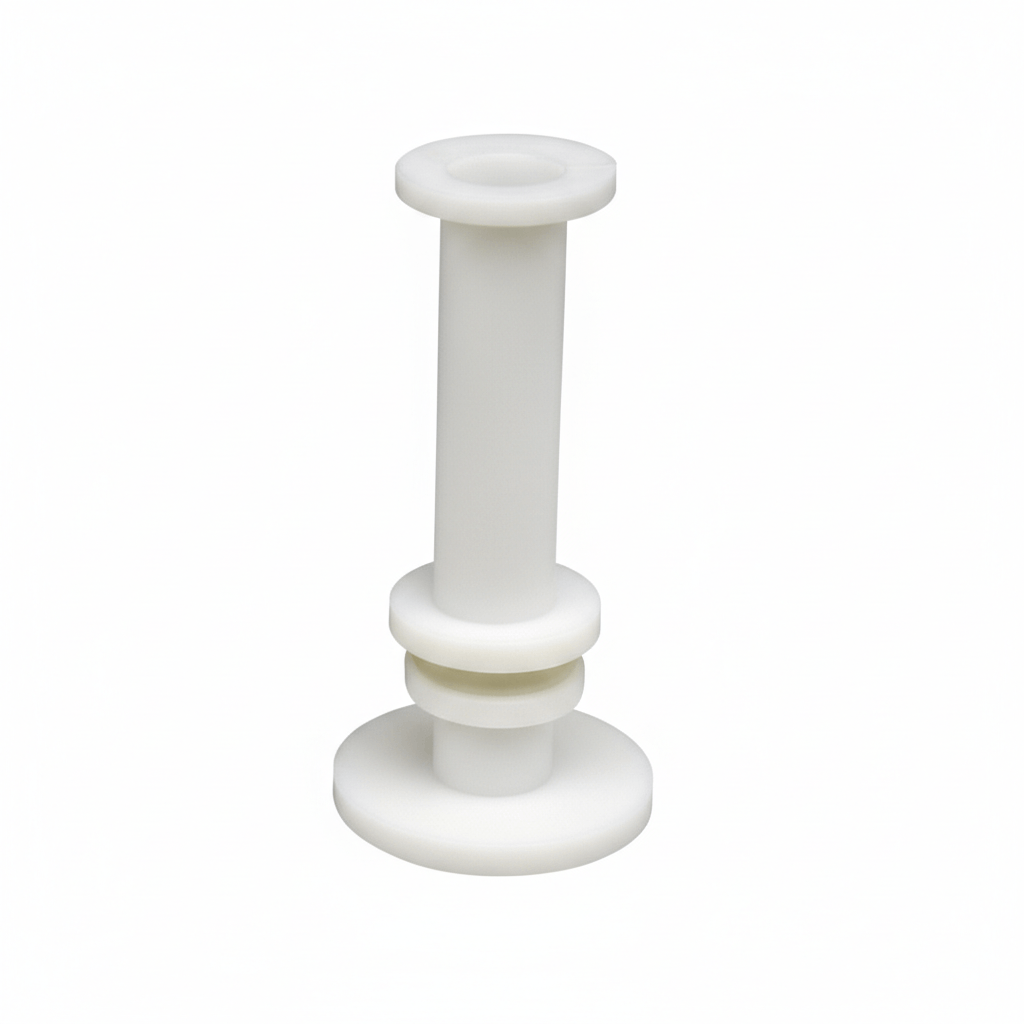
PP Filter Press Machine Nozzel
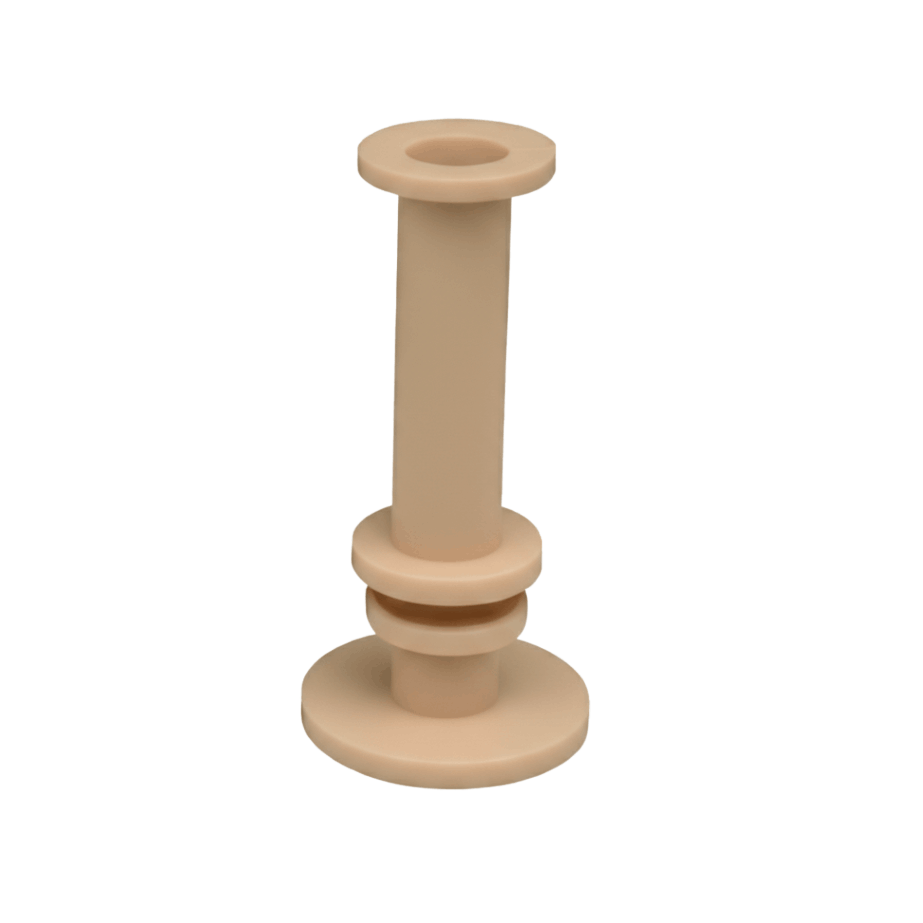
PPH Filter Press Machine Nozzel
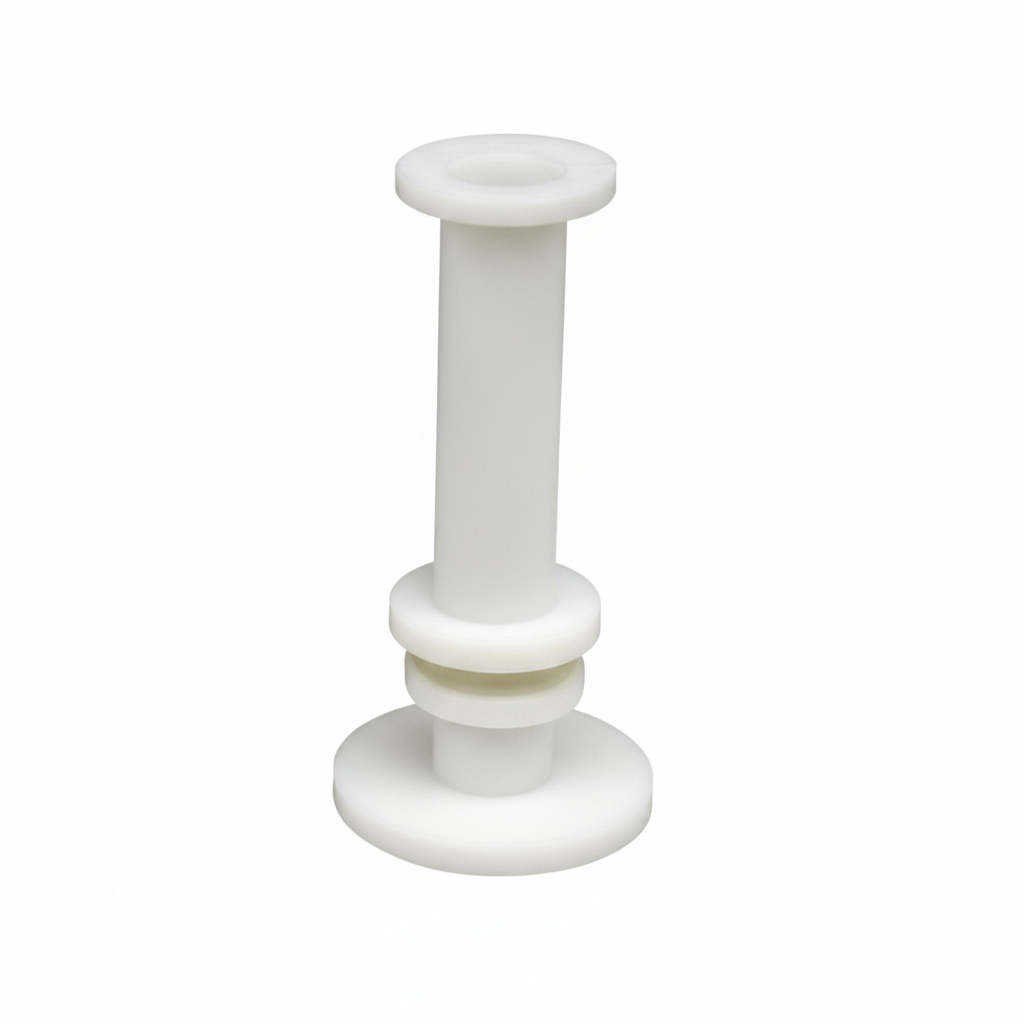
PVDF Filter Press Machine Nozzel
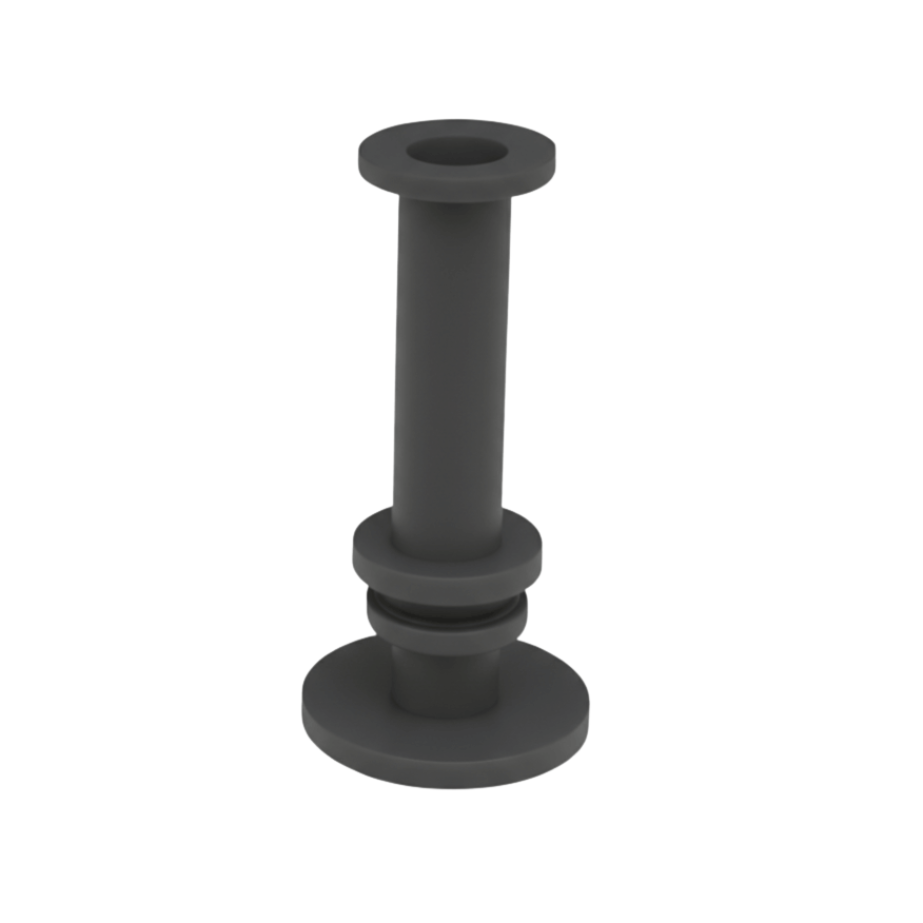
UPVC Filter Press Machine
Why Industries Choose Us
Engineering Trust. Delivering Quality
-
Expertise in thermoplastic and composite nozzle fabrication.
-
Multiple material options for chemical and wear resistance.
-
Proven performance in filtration applications.
-
Technical support for nozzle selection and customization.
Request a Quote




Let’s Build Your Next Project
If your filtration system requires thermoplastic or composite filter press machine nozzles, we provide reliable solutions tailored to your process conditions.