
Chemical Reactor Vessel
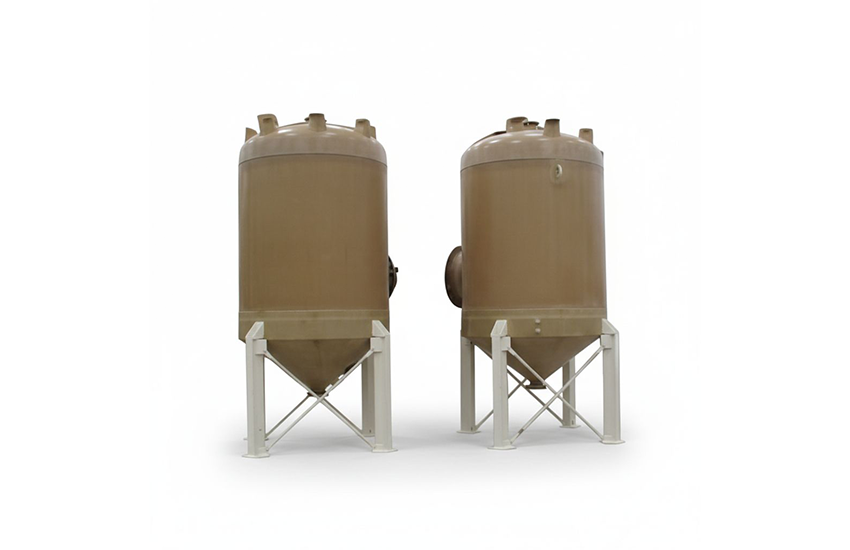
Chemical Reactor Vessel
Corrosion-Resistant Reaction Vessels for Controlled Chemical Processes :
Chemical reactor vessels are used for controlled chemical reactions, mixing, heating, cooling, and processing of reactive chemicals. In corrosive and aggressive environments, thermoplastic and composite reactor vessels provide a reliable alternative to metal vessels by eliminating corrosion-related failures and contamination risks.
Manufactured using corrosion-resistant thermoplastic and lined composite materials, these reactor vessels are designed to handle continuous operation while maintaining chemical compatibility, structural integrity, and process safety.
Material Options & Operating Temperature Ranges :
Chemical reactor vessels are fabricated using materials selected based on reaction chemistry, operating temperature, pressure conditions, and vessel size.
-
PP (Polypropylene Copolymer) : Used for general chemical reactions involving mildly corrosive media. Suitable for ambient to moderate temperatures up to 80–90°C.
-
PPH (Polypropylene Homopolymer) : Offers higher rigidity and improved chemical resistance. Commonly used for chemical reactors operating up to 90–100°C.
-
PVDF (Polyvinylidene Fluoride) : Preferred for highly corrosive and aggressive reaction media. Provides excellent chemical resistance with reliable performance up to 120–150°C, depending on design.
-
HDPE (High-Density Polyethylene) : Used for low-pressure and non-aggressive reaction environments. Suitable for ambient temperature operation up to 60–70°C.
-
PVC (Polyvinyl Chloride) : Applied in low-temperature chemical reaction systems. Performs reliably up to 60°C.
-
FRP (Fiber Reinforced Plastic) : Provides structural strength and corrosion resistance. Suitable for ambient to moderate temperatures, depending on resin system.
-
PP–FRP Lined Construction : Combines polypropylene’s chemical resistance with FRP’s structural support. Used for medium to large reactor vessels handling corrosive chemicals at moderate temperatures.
-
HDPE–FRP Lined Construction : Offers abrasion resistance and added stiffness. Suitable for ambient temperature reactor applications.
-
MS–FRP Lined Construction : Used where high mechanical strength is required. Mild steel provides structural rigidity, while FRP lining protects against corrosion in ambient service conditions.
What Makes Our Chemical Reactor Vessels Different :
-
Fabricated from corrosion-resistant thermoplastic and composite materials.
-
Designed for controlled chemical reactions and mixing.
-
Smooth internal surfaces to prevent material buildup.
-
Leak-free welded construction.
-
Custom configurations based on process requirements.
Key Advantages :
-
Excellent resistance to chemical corrosion.
-
Reduced risk of contamination.
-
Long service life in aggressive environments.
-
Lower maintenance compared to metal reactors.
-
Flexible design options for different processes.
Applications & Industries :
-
Chemical Processing Plants : Batch and continuous reaction systems.
-
Pharmaceutical & Specialty Chemicals : Controlled reaction vessels.
-
Agrochemical & Dye Industries : Reaction and mixing processes.
-
Water Treatment & Process Industries : Chemical reaction and dosing vessels.

Chemical Reactor Vessel
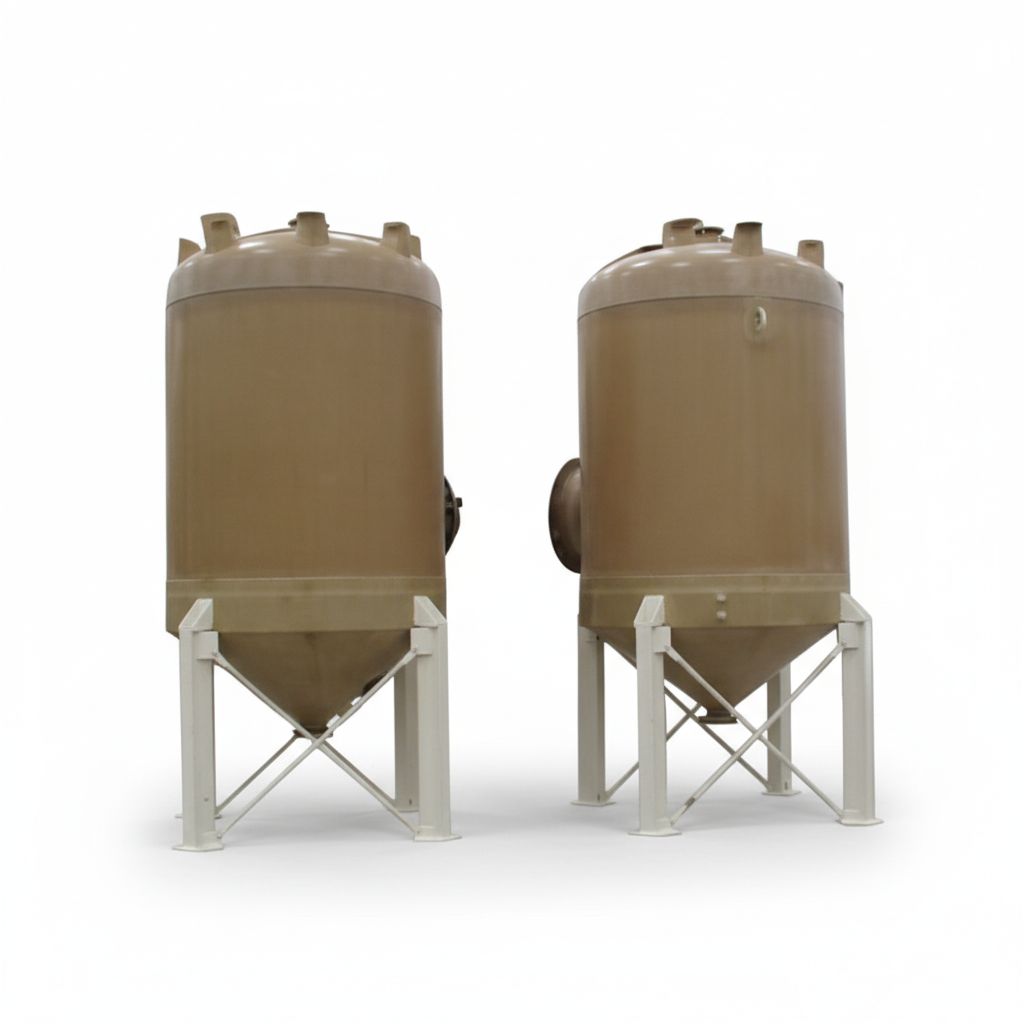
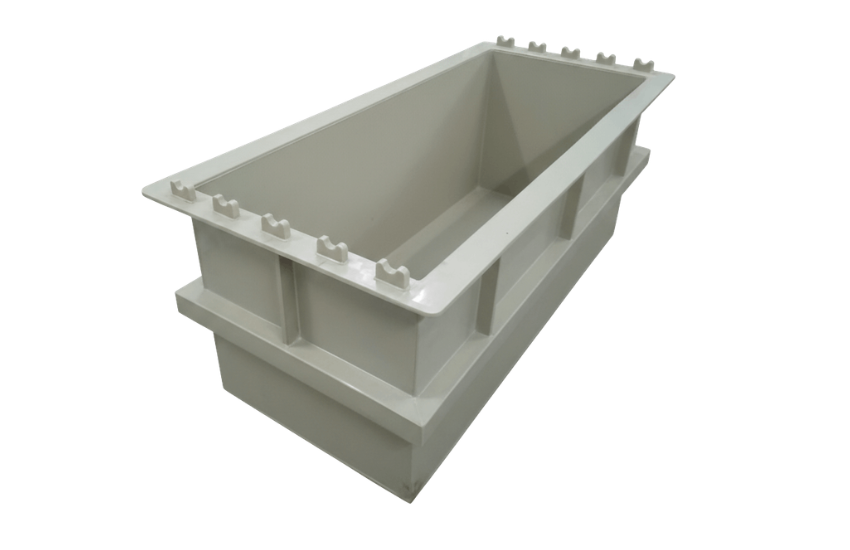
FRP Chemical Reactor Vessel
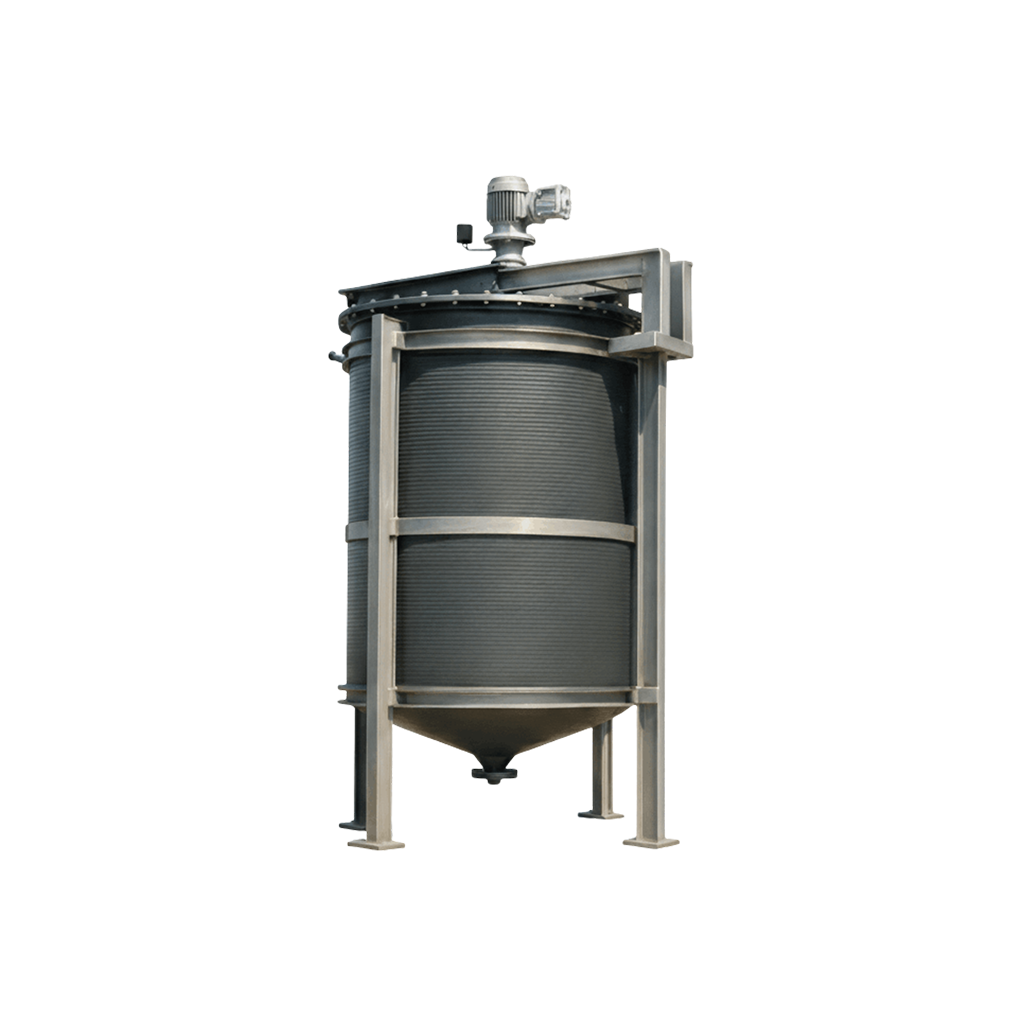
HDPE Chemical Reactor Vessel
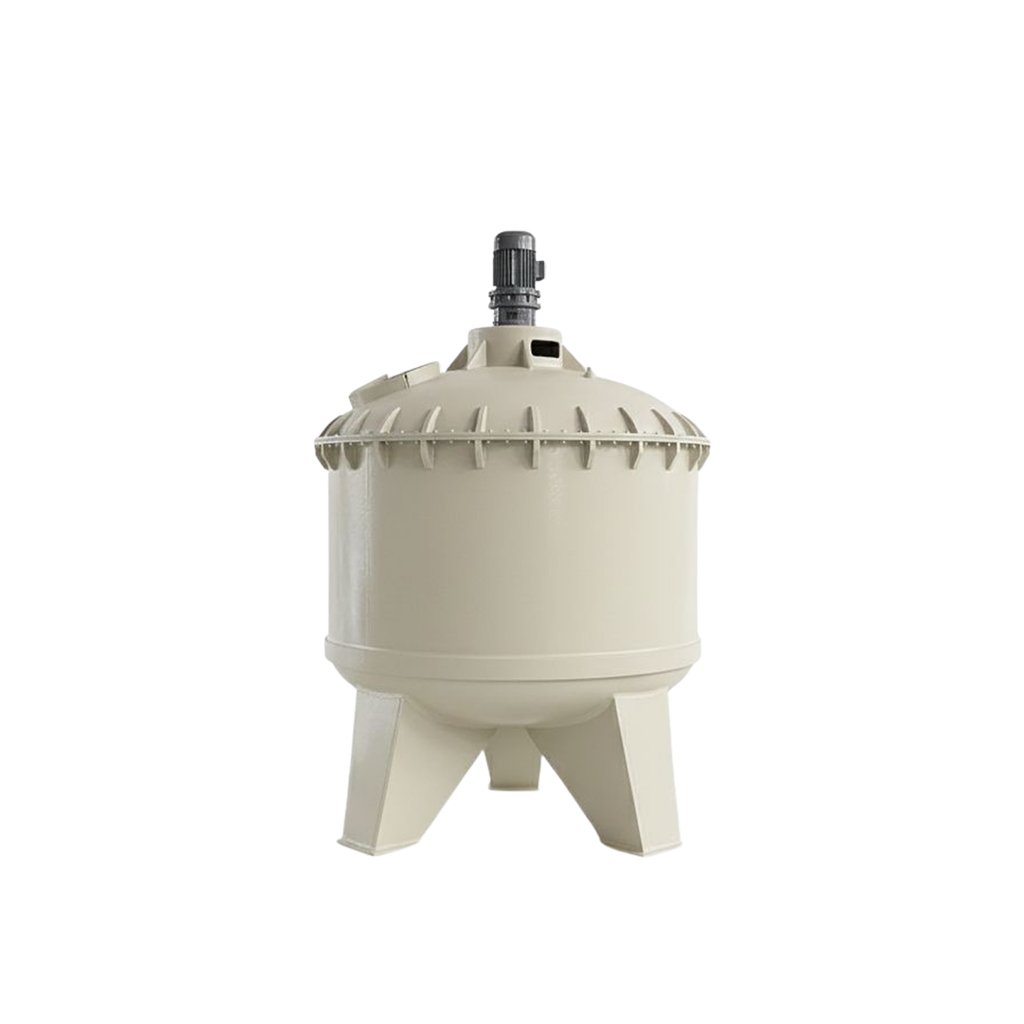
MS + PP Lined Chemical Reactor Vessel
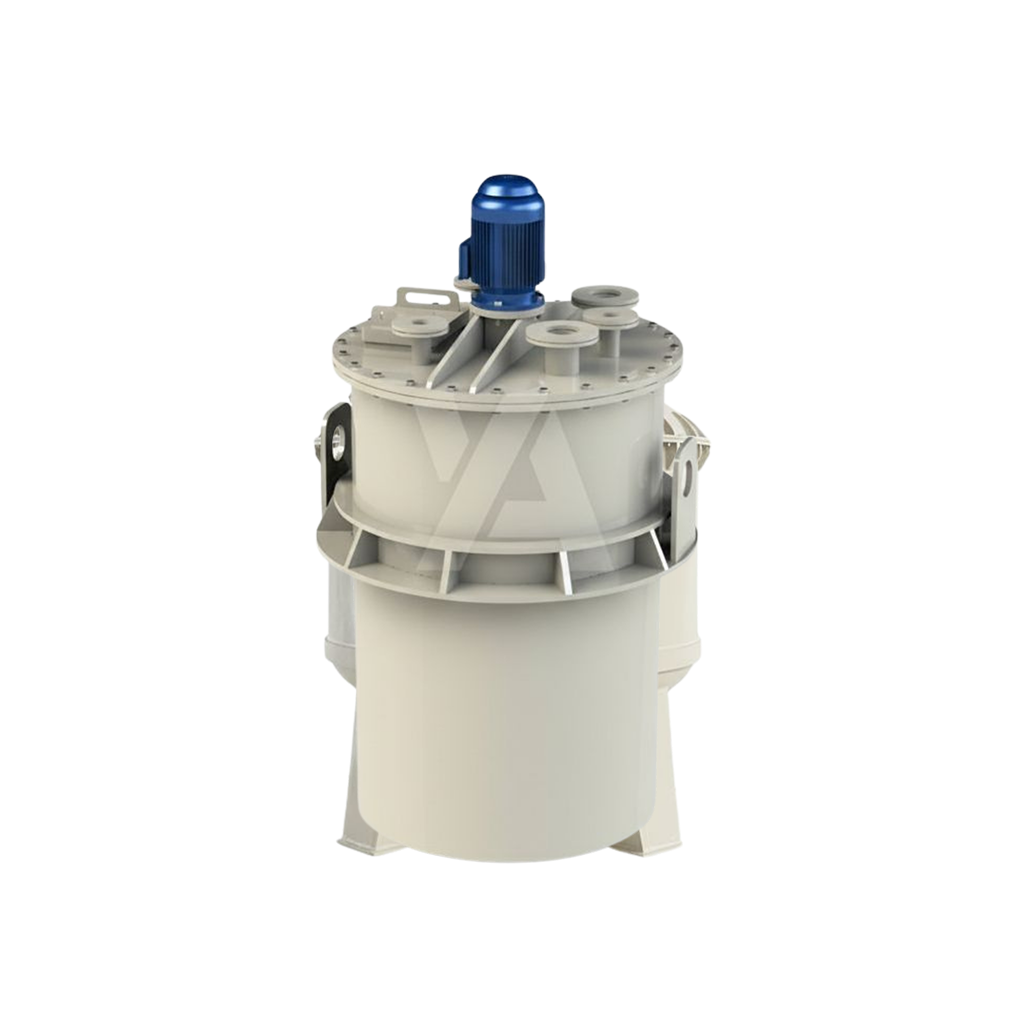
PPH Chemical Reactor Vessel
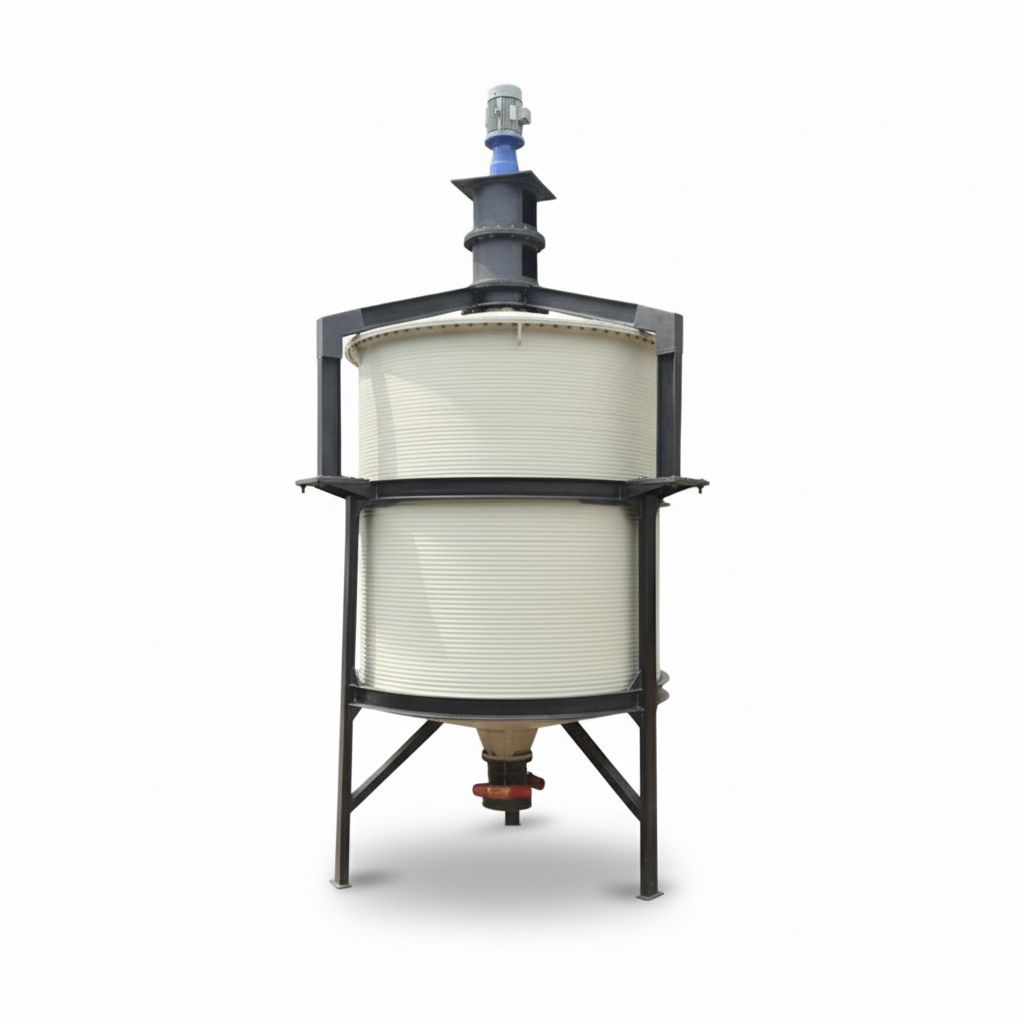
PPH Reactor Vessel
Why Industries Choose Us
Engineering Trust. Delivering Quality
-
Expertise in thermoplastic and composite reactor fabrication.
-
Multiple material options for chemical compatibility.
-
Proven performance in corrosive reaction environments.
-
Technical support for vessel design and material selection.
Request a Quote




Let’s Build Your Next Project
If your process requires a thermoplastic or composite chemical reactor vessel, we provide reliable solutions designed to meet your operating conditions.